South America · Fortified Structure
San Felipe Fortress
Colombia
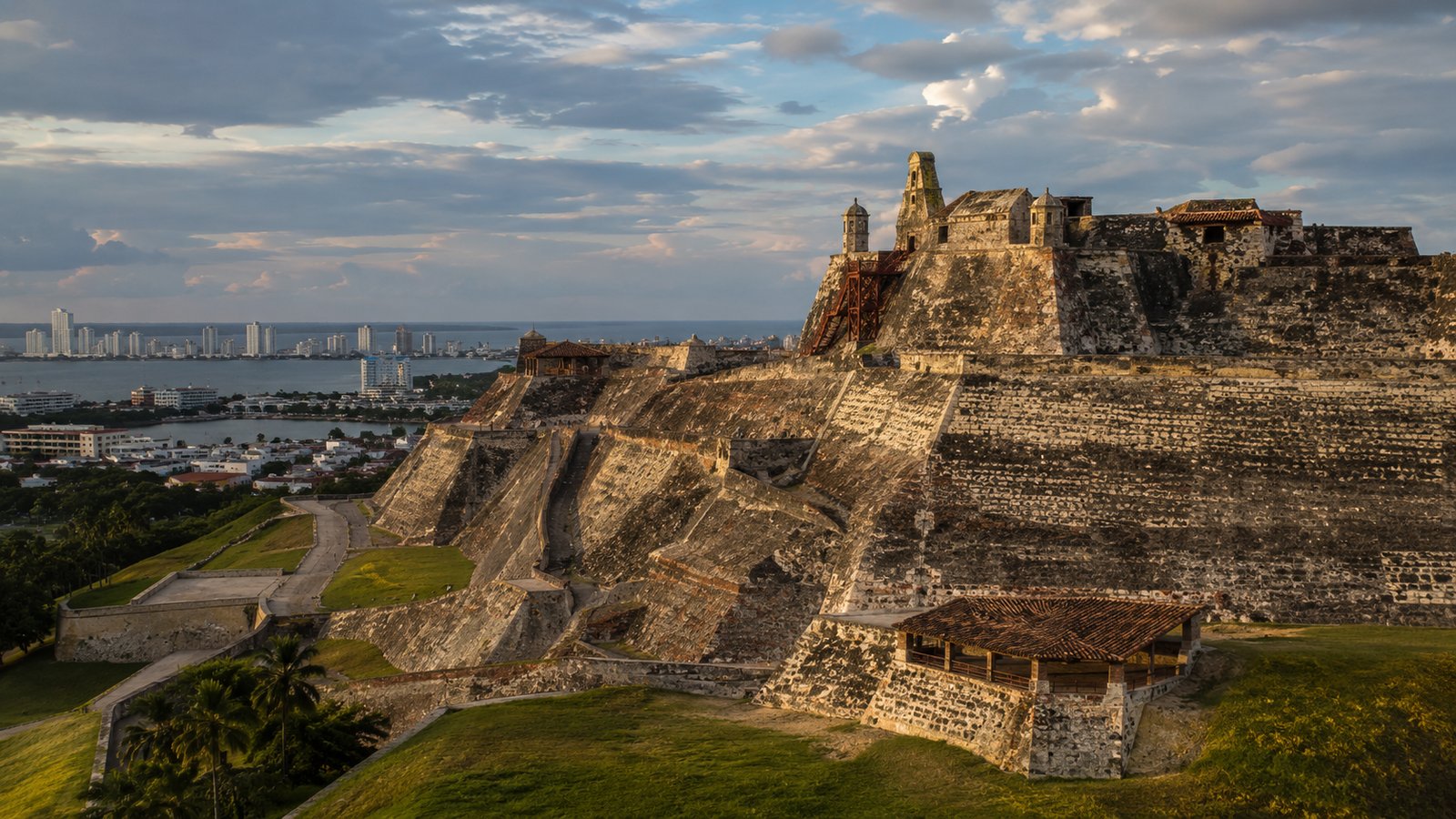
San Felipe de Barajas offers heavy masonry, elevated approaches and internal passages in the middle of Cartagena. It is a strong place to resist close pressure, but the fortress has no established independent water or food system to turn that protection into sustained habitation.
Overall
3.7 out of 10Defensibility
8 out of 10Isolation
0 out of 10Sustainability
3 out of 10Ranking context
How this base ranks
Global
#77 of 88 · Top 88%
Region · South America
#7 of 7 · Top 100%
Base Type · Fortified Structure
#18 of 18 · Top 100%
Field assessment
At a glance
Bottom Line
A defensible refuge whose resource problem begins immediately. Establish potable water and basic domestic arrangements before treating the fortress's physical capacity as a viable place to remain.
Biggest Trade-off
The walls make nearby threats harder to reach the group, while the surrounding city puts those threats close to every trip needed beyond the fortress.
Most Likely Failure
An unresolved drinking-water or sanitation problem forces repeated departures into the surrounding city before the masonry itself ceases to provide protection.
Score rationale
Why it scores this way
Defensibility · 8/10
Purpose-built walls, bastions and elevated terrain create real layered protection. Existing internal passages add depth, but current access and masonry condition still need inspection rather than reliance on historic military reputation.
Advantages
- The rocky crag and surviving fortress fabric constrain direct approaches and provide protected internal positions.
Limitations
- Documented preventive and corrective work means defensive fabric cannot be assumed uniformly sound or maintenance-free.
Isolation · 0/10
Cartagena surrounds the position with a major urban population and accessible roads. Height improves the view of local approaches; it provides no geographic separation from the source of pressure.
Advantages
- Elevation helps the group observe threats already nearby, giving local warning rather than regional remoteness.
Limitations
- The group must plan for pressure close to the entrances from the outset, including when anyone leaves to seek supplies.
Sustainability · 3/10
Substantial enclosed spaces can shelter twenty people, but evidence of restored building fabric does not establish a working residential system. Water, cooking, sanitation and suitable ventilation remain practical checks before occupation.
Advantages
- Surviving internal spaces give room to organise shelter without constructing a new enclosure.
Limitations
- Independent potable water, durable food production and survival energy within the fortress are not established.
Survival horizons
How survival changes over time
Make shelter habitable
First 7 Days
Check the entrances, passages and spaces selected for sleeping, then establish verified water and waste arrangements. A secure entry is only the start: movement inside the fortress must remain safe and manageable.
Positive factors
- Passive masonry protection is useful immediately without running a defensive machine or power plant.
Risks
- Do not occupy an enclosed passage as living space without checking its ventilation, exits and present condition.
Count trips beyond the walls
First 100 Days
If occupation continues, inventory provisions and track the exposure cost of replenishment. Inspect water ingress and ordinary maintenance needs while judging whether domestic routines can function without city services.
Positive factors
- Internal depth allows activities and reserves to be organised behind more than a single exposed doorway.
Risks
- A shrinking supply margin can demand more urban journeys just as the group has fewer safe opportunities to make them.
Protection needs renewal
Long Term
Prolonged survival requires a repeatable source of potable water and food as well as continuing masonry care. Neither restored spaces nor access to the wider city establishes an independent renewal pathway inside the Base.
Positive factors
- Heavy construction retains substantial barrier value even when modern services fail.
Risks
- Waterproofing and conservation remain continuing tasks; delayed repairs can reduce usable shelter without any breach at the gate.
Visual survey
Gallery
Location context
The Lay of the Land
Tactical assessment
Practical Reality
Best Use
Use the existing controlled entrances and internal depth to organise a bounded refuge. Confirm safe sleeping space, water access, sanitation and exit routes before committing the group to prolonged occupation.
Strengths
- The rocky position gives useful views over immediate approaches.
- Walls, batteries and internal passages provide several layers of physical refuge.
- Recent conservation confirms surviving building fabric rather than a vanished historic footprint.
Key Risk
Provisions or essential services must be obtained outside the defensive fabric; the group can become dependent on journeys through Cartagena that its strong walls cannot protect.
Weaknesses
- Urban population pressure is already close; the group gains no remote-island breathing room.
- Sheltered volume does not establish twenty-person sanitation or comfortable residential throughput.
- Food, safe water and independent energy cannot be credited from Cartagena's nearby infrastructure.
Reality Check & Constraints
This is Castillo San Felipe de Barajas, not all of Cartagena's fortifications. Restored batteries and visitor facilities do not prove a stocked garrison, usable cistern, residential sanitation or specialist maintenance crew.
Assumptions / constraints
- The reference group has ordinary practical skills, not a historic garrison's provisions or specialist conservation team; stocks and equipment condition are unknown.
Decision context
Rivals / Alternatives
Similar rival
Fort Copacabana
Brazil · Fortified Structure
Fort Copacabana keeps the same fortified structure strategy, with only 1.0 points between the overall scores and closely matched sustainability pressure.
Overall 4.7/10
Strongest alternative
Fort George
United Kingdom · Fortified Structure
Fort George scores 6.7 overall versus 3.7, adding a stronger isolation profile while staying relevant as another fortified structure.
Overall 6.7/10
Wildcard rival
Amundsen-Scott South Pole Station
Antarctica · Institutional Compound
Amundsen-Scott South Pole Station changes the strategy: it is built around the institutional compound strategy with a isolation edge, while San Felipe Fortress holds more of the defensibility advantage.
Overall 7.7/10