East Asia · Fortified Structure
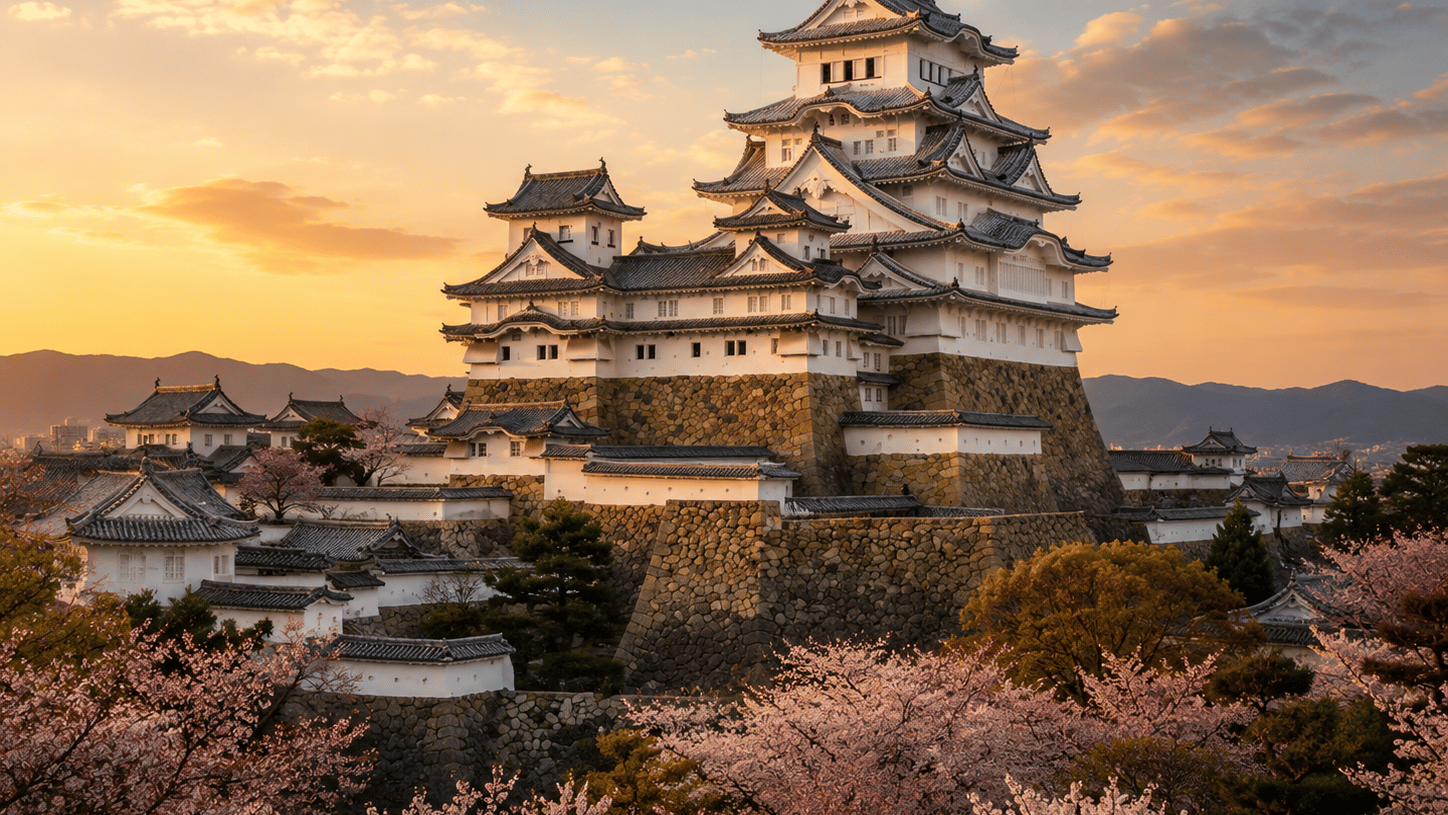
Himeji Castle
Japan
Himeji’s nested gates and moats buy defensive depth in the middle of a city. Holding an inner enclosure is credible; supplying it after urban services fail is the harder problem.
Overall
4.3 out of 10Defensibility
8 out of 10Isolation
1 out of 10Sustainability
4 out of 10Ranking context
How this base ranks
Global
#61 of 88 · Top 69%
Region · East Asia
#3 of 5 · Top 60%
Base Type · Fortified Structure
#14 of 18 · Top 78%
Field assessment
At a glance
Bottom Line
A strong place to contain immediate pressure, provided the group treats water and daily living as unresolved tasks rather than benefits of the walls.
Biggest Trade-off
Every defensive layer between the group and the city also lengthens the journey back out for supplies. Safety inside does not make those trips safe.
Most Likely Failure
Water and food needs force repeated trips through urban approaches until fatigue and interrupted access undermine a position the walls could still protect.
Score rationale
Why it scores this way
Defensibility · 8/10
Bends, gates and nested walls break a direct approach into successive problems. A small group gains most by holding a selected inner enclosure, rather than trying to staff every historic defensive line.
Advantages
- The route geometry lets watch duties concentrate at transitions between enclosures.
Limitations
- Timber buildings remain vulnerable to fire and deterioration even where access is well controlled.
Isolation · 1/10
Himeji stands in the city centre. The moats change how a nearby threat reaches the group, but do little to reduce the population pressure surrounding the castle.
Advantages
- A clearly bounded castle site makes the divide between occupied space and the city legible.
Limitations
- There is no remote buffer to make routine journeys outside the grounds low-contact.
Sustainability · 4/10
Rooms and visitor infrastructure give occupation a starting point, but not a domestic routine. Drinking water, sanitation and comfortable sleeping space must work within a site maintained for visits rather than residence.
Advantages
- Multiple buildings permit separate living and work areas within the protected complex.
Limitations
- Refill points and pumped fire water do not establish renewable drinking water or food.
Survival horizons
How survival changes over time
Make the inner refuge workable
First 7 Days
Inspect successive gates and choose an occupied area the group can actually watch. Verify drinking water and sanitation before moving everyone into the most imposing building.
Positive factors
- Existing enclosures let the group define a refuge without first constructing a perimeter.
Risks
- Summer heat in the keep and unverified water continuity can undermine shelter before any wall fails.
Count the cost of staying
First 100 Days
Track consumption against supplies actually found, while inspecting timber and fire precautions. Judge any necessary supply trip by its demand on escorts and resting watchkeepers, not just what it might bring back.
Positive factors
- Separate rooms provide space to organise verified stores and keep essential routes clear.
Risks
- Repeated journeys through the city can consume the manpower saved by the inner defensive layout.
A wall cannot renew supplies
Long Term
The enduring problem is replacing essentials without assuming control of Himeji city. No documented food or independent potable-water system closes that gap; conserving remaining supplies only postpones it.
Positive factors
- Passive defensive geometry continues to protect a reduced occupied area as powered services decline.
Risks
- Ageing timber and uncertain resource renewal can make continued occupation untenable while the fortifications remain standing.
Visual survey
Gallery
Location context
The Lay of the Land
Tactical assessment
Practical Reality
Best Use
Choose a small occupied enclosure behind successive gates, with sleeping, storage and a withdrawal route close enough to supervise together.
Strengths
- Successive enclosures provide fallback positions, so losing an outer approach need not expose the sleeping area immediately.
- Separate buildings allow stores, rest and care to be organised without crowding everyone into the keep.
- Stone walls and changes of level retain protective value without powered machinery.
Key Risk
Treating a visitor water point or fire-water installation as proof of an independent drinking supply. Neither establishes what remains usable after service failure.
Weaknesses
- The surrounding city places supply journeys in the same environment from which the group is trying to shelter.
- The uncooled keep can become hot and humid; a prominent defensive position is not automatically the best sleeping space.
- Timber conservation and fire protection create continuing work that ordinary repairs cannot fully replace.
Reality Check & Constraints
This is a maintained timber heritage complex, not a stocked garrison. Fire-water infrastructure is documented, but accessible quantities, potability and operation after utility loss are unverified.
Assumptions / constraints
- The reference group has ordinary skills and no inherited garrison, weapons or specialist conservation crew.
- Only the recorded castle boundary is available; city shops and municipal services are external dependencies.
- No usable food inventory, independent potable-water yield or survival duration has been established.
Decision context
Rivals / Alternatives
Similar rival
Malbork Castle
Poland · Fortified Structure
Malbork Castle keeps the same fortified structure strategy, with only 0.0 points between the overall scores and closely matched defensibility pressure.
Overall 4.3/10
Strongest alternative
Fort George
United Kingdom · Fortified Structure
Fort George scores 6.7 overall versus 4.3, adding a stronger isolation profile while staying relevant as another fortified structure.
Overall 6.7/10
Wildcard rival
Amundsen-Scott South Pole Station
Antarctica · Institutional Compound
Amundsen-Scott South Pole Station changes the strategy: it is built around the institutional compound strategy with a isolation edge, while Himeji Castle holds more of the defensibility advantage.
Overall 7.7/10