Eastern Europe · Subterranean
Ligatne Bunker
Latvia
Ligatne Bunker provides a hardened underground refuge with surviving service rooms and life-support equipment. Its decisive uncertainty is operational: a preserved command shelter is not proof of working autonomous air, water and power for prolonged occupation.
Overall
5.7 out of 10Defensibility
7 out of 10Isolation
4 out of 10Sustainability
6 out of 10Ranking context
How this base ranks
Global
#22 of 88 · Top 25%
Region · Eastern Europe
#2 of 10 · Top 20%
Base Type · Subterranean
#4 of 10 · Top 40%
Field assessment
At a glance
Bottom Line
A credible protected shelter, with a sharp distinction between entering usable rooms and sustaining an underground community after external support fails.
Biggest Trade-off
The underground shell limits direct exposure, but places everyday habitation behind access routes and engineered services whose present condition must be verified.
Most Likely Failure
The group exhausts usable consumables or cannot maintain a critical service, forcing departure from a structurally protective shelter that no longer supports daily life.
Score rationale
Why it scores this way
Defensibility · 7/10
The hardened subterranean structure provides a strong fallback against local contact. That advantage must be judged alongside unknown current door and entrance arrangements, rather than an imagined single sealed entrance.
Advantages
- Protected internal rooms offer options for concentrating occupation behind substantial fabric.
Limitations
- Unverified access and escape routes could turn an effective refuge into a difficult place to leave after a breach.
Isolation · 4/10
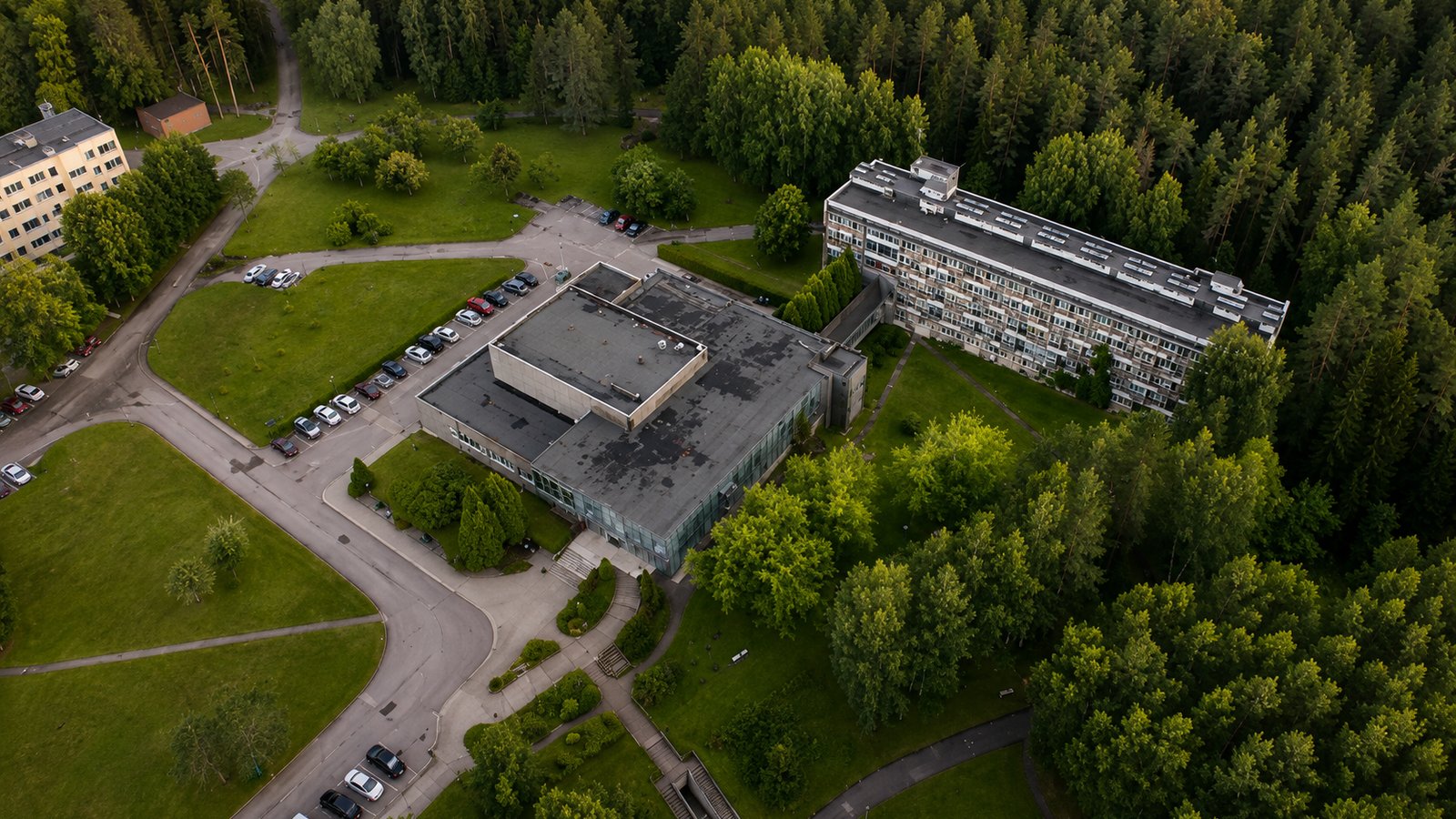
A rural forested setting reduces metropolitan pressure, but the bunker remains part of a road-accessible visitor and rehabilitation site. Concealment below ground is not geographic isolation.
Advantages
- The surrounding national-park landscape separates the site from dense city streets.
Limitations
- Normal access brings people to the centre; the bunker cannot be assumed untouched by an outbreak there.
Sustainability · 6/10
The shelter has substantial enclosed space and surviving canteen and utility rooms, reinforced by current group use. Prolonged residence still needs working air, hygiene and sleeping arrangements rather than just intact equipment displays.
Advantages
- Purpose-built support spaces provide a basis for separating meals, supplies and occupied rooms.
Limitations
- Visitor operation does not prove the original systems can sustain an isolated resident group without outside services.
Survival horizons
How survival changes over time
Verify refuge before settling
First 7 Days
Inspect access and exits, establish safe occupied rooms and confirm air and drinking-water provision. Inventory actual supplies without relying on accounts of the original emergency stores.
Positive factors
- Current guided and dining use supports the practical usability of parts of the underground facility.
Risks
- Unknown barrier and plant condition prevents treating the whole bunker as a ready-to-run autonomous system.
Service routines become central
First 100 Days
Consumption, waste handling and routine equipment checks replace initial shelter as the main workload. Record which services depend on external inputs and which faults exceed the group’s ordinary repair skills.
Positive factors
- The durable shell retains protection even where individual machines lose utility.
Risks
- Fuel-storage rooms do not establish usable diesel, and a canteen does not replenish the food it consumes.
Protection needs replenishment
Long Term
A lasting underground home requires renewed food, safe water and maintainable life support. The documented bunker has no established independent replacement for those inputs once normal support disappears.
Positive factors
- Heavy protective fabric remains a potential shelter asset without continuous powered defence.
Risks
- The shell can outlast the services that make it habitable; remaining underground is not automatically the safer decision.
Visual survey
Gallery
Location context
The Lay of the Land
Tactical assessment
Practical Reality
Best Use
Use the protected rooms only alongside verified safe access, egress and air and water provision. Keep the occupied bunker distinct from the rehabilitation centre above.
Strengths
- The purpose-built underground shell offers much greater structural protection than an ordinary surface building.
- Support rooms and canteen space allow communal tasks to be organised under cover.
- Surviving water, sewerage and power infrastructure provides existing service pathways to inspect.
Key Risk
A failure in air handling, pumping or power could remove essential services that ordinary room repairs cannot restore. Full autonomous operability remains unproven.
Weaknesses
- Exact entrance, barrier and emergency-exit condition is not established by visitor access alone.
- Ageing life-support machinery may require skills and parts the survivor group does not possess.
- Independent potable-water provision and durable food replenishment are not demonstrated within the bunker.
Reality Check & Constraints
Current tours and underground meals demonstrate usable spaces and catering activity. They do not establish renewed emergency stocks, fuel reserves or independently functioning Cold War machinery.
Assumptions / constraints
- The Base covers the bunker and necessary immediate access, not the centre’s accommodation or medical facilities above.
- Historic multi-month provisioning is a design history, not an inventory of supplies available now.
- The twenty-person reference assumes ordinary capable adults, without a guaranteed generator, ventilation or water-treatment specialist.
Decision context
Rivals / Alternatives
Similar rival
Derinkuyu Underground City
Turkey · Subterranean
Derinkuyu Underground City keeps the same subterranean strategy, with only 1.3 points between the overall scores and closely matched defensibility pressure.
Overall 4.3/10
Strongest alternative
Olavsvern Naval Base
Norway · Subterranean
Olavsvern Naval Base scores 6.3 overall versus 5.7, adding a stronger sustainability profile while staying relevant as another subterranean.
Overall 6.3/10
Wildcard rival
Great Mosque of Djenné
Mali · Landmark Structure
Great Mosque of Djenné changes the strategy: it is built around the landmark structure strategy without a headline-pillar edge over Ligatne Bunker, while Ligatne Bunker holds more of the defensibility advantage.
Overall 1.3/10