Eastern Europe · Isolated Landmass
Faroe Islands
Faroe Islands
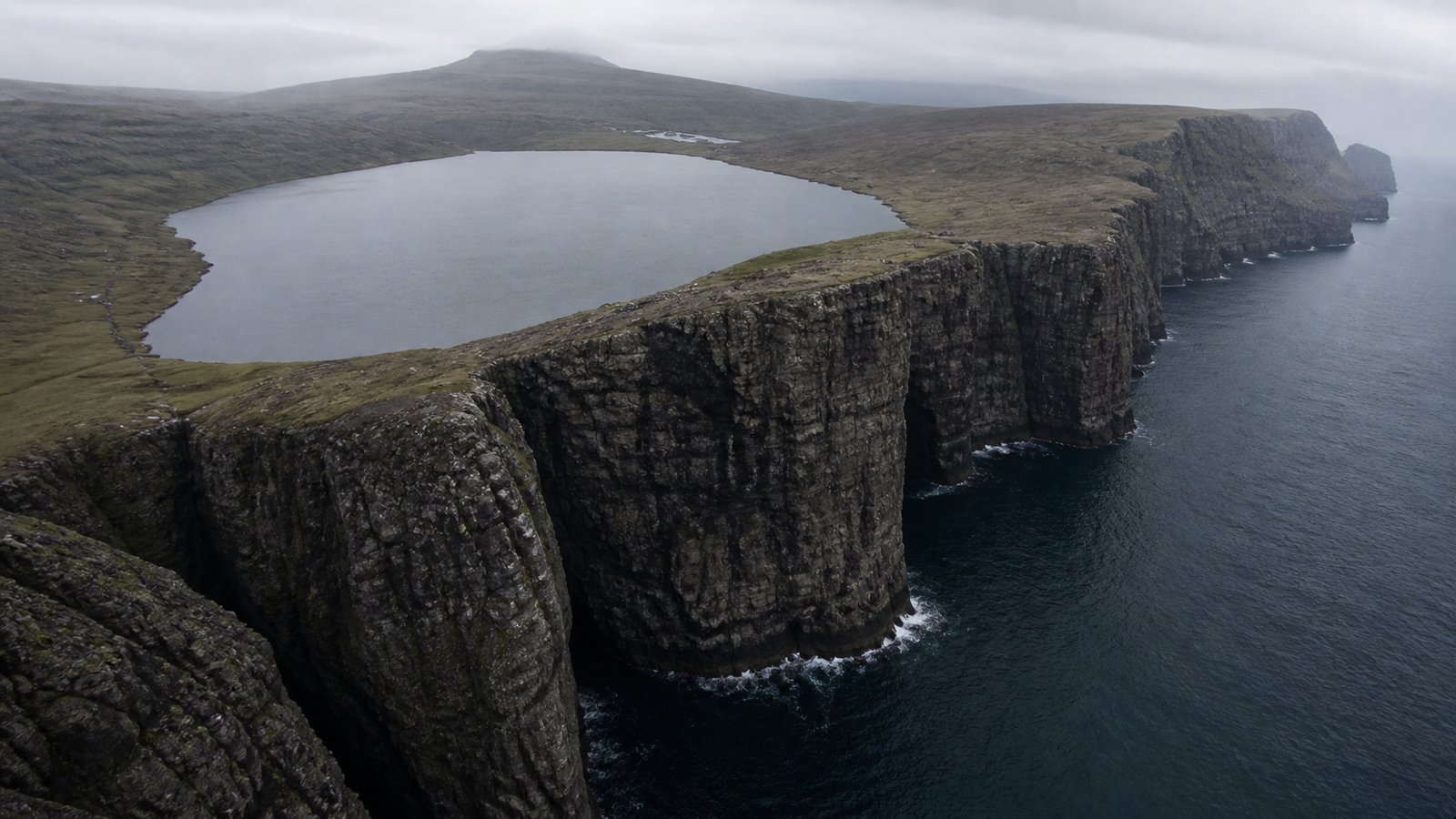
The Faroe Islands combine North Atlantic separation with established homes, freshwater and major fisheries. Those resources offer unusual scope, but twenty survivors cannot secure an entire archipelago or assume they can operate its industrial systems.
Overall
5 out of 10Defensibility
1 out of 10Isolation
6 out of 10Sustainability
8 out of 10Ranking context
How this base ranks
Global
#33 of 88 · Top 38%
Region · Eastern Europe
#4 of 10 · Top 40%
Base Type · Isolated Landmass
#5 of 19 · Top 26%
Field assessment
At a glance
Bottom Line
A resource-rich region for occupation, with far more habitat than a small community needs and far more distributed infrastructure than it can reliably control.
Biggest Trade-off
Sea gaps reduce incoming pressure but also separate people from supplies, equipment and maintenance tasks across the inhabited islands.
Most Likely Failure
The group relies on food and utility networks it cannot keep running; failing transport, fuel or processing then makes regional abundance harder to turn into daily provision.
Score rationale
Why it scores this way
Defensibility · 1/10
An inhabited eighteen-island archipelago has no single defensible enclosure. Securing occupied buildings may be feasible, but guarding one entrance or tunnel does not control the full network of settlements and shores.
Advantages
- Sea gaps and concentrated transport links give some local movements identifiable routes to monitor.
Limitations
- Other coasts, harbours and inhabited areas remain outside any one watch position; a narrow local success is not archipelago-wide control.
Isolation · 6/10
The surrounding North Atlantic creates substantial separation from distant population centres. Pressure can still originate among the residents already distributed across the islands, with air and sea connections adding access routes.
Advantages
- Incoming walkers cannot simply follow a mainland road into the archipelago.
Limitations
- Roads, tunnels and ordinary settlement routes can carry an outbreak already present locally.
Sustainability · 8/10
Year-round homes, public services, freshwater and food production make the Faroes a strong existing habitat. Sustaining a household is more attainable than operating the whole utility, fishing and transport economy that supports it.
Advantages
- Established domestic space allows sleeping, food preparation and supplies to be organised without converting a monument into a home.
Limitations
- Harsh weather and imported fuel, materials and parts still constrain continued use of the distributed infrastructure.
Survival horizons
How survival changes over time
Establish a reachable daily footprint
First 7 Days
Choose usable shelter, check local water and inventory accessible supplies. Map the journeys actually needed for daily life before committing people to distant facilities or assuming neighbouring islands are safe.
Positive factors
- An established inhabited landscape supplies ready domestic buildings and service spaces to assess.
Risks
- A spreading local outbreak can compromise a route even while the sea still limits arrivals from farther away.
Match operations to the workforce
First 100 Days
Track consumption and the condition of water, power and food-handling arrangements. Keep only routines the group can support, and separate accessible food from production figures that depend on specialist plant and vessels.
Positive factors
- Local water and marine resources provide options that a wholly import-dependent refuge would lack.
Risks
- Fuel loss or equipment faults can interrupt transport and food processing while substantial resources still exist elsewhere in the islands.
Turn regional resources into renewal
Long Term
Endurance depends on repeatable food collection, safe water and manageable energy use rather than restoring national output. The resource base is substantial, but a durable small-group operating system is not established by the evidence.
Positive factors
- Renewable water, marine food and energy assets give the archipelago a stronger foundation than stored consumables alone.
Risks
- Accumulating failures in vessels, utilities and connections can strand useful assets beyond the group's safe operating reach.
Visual survey
Gallery
Location context
The Lay of the Land
Tactical assessment
Practical Reality
Best Use
Keep daily occupation and essential journeys compact within the archipelago, using only facilities and resources the group can actually reach and operate. This does not turn one chosen island into the evaluated Base.
Strengths
- Existing homes and community facilities offer substantial space for living, storage and care.
- Marine food production and freshwater resources offer renewal opportunities beyond a finite imported pantry.
- North Atlantic separation prevents an ordinary overland approach from major external population centres.
Key Risk
National catch and electricity output can look like personal self-sufficiency when both depend on working equipment, distribution and technical crews.
Weaknesses
- Many settlements and landing points prevent a continuous perimeter that a small group can hold.
- Wind and hydro generation coexist with oil-fired power; renewables do not remove fuel, parts or grid-maintenance dependencies.
- Tunnels, vessels and processing facilities impose technical workloads that ordinary household maintenance cannot replace.
Reality Check & Constraints
Fisheries, aquaculture and renewable generation are real assets, not an inherited fleet or an automatically working grid. Freshwater abundance does not certify every source as potable, and isolation does not remove the islands' existing population.
Assumptions / constraints
- All eighteen canonical islands remain the Base; choosing a compact occupied area does not narrow the approved geographical boundary.
- Twenty capable adults have no assumed marine, aquaculture or electrical engineering crew and inherit no guaranteed working vessel.
- Available stocks, safe water, equipment condition and usable routes require verification; international imports and continuing industrial output are not guaranteed.
Decision context
Rivals / Alternatives
Similar rival
Gotland
Sweden · Isolated Landmass
Gotland keeps the same isolated landmass strategy, with only 0.3 points between the overall scores and closely matched sustainability pressure.
Overall 4.7/10
Strongest alternative
Heligoland
Germany · Isolated Landmass
Heligoland scores 6.3 overall versus 5.0, adding a stronger isolation profile while staying relevant as another isolated landmass.
Overall 6.3/10
Wildcard rival
San Felipe Fortress
Colombia · Fortified Structure
San Felipe Fortress changes the strategy: it is built around the fortified structure strategy with a defensibility edge, while Faroe Islands holds more of the isolation advantage.
Overall 3.7/10