UK & Ireland · Elevated Stronghold
The Roaches
United Kingdom
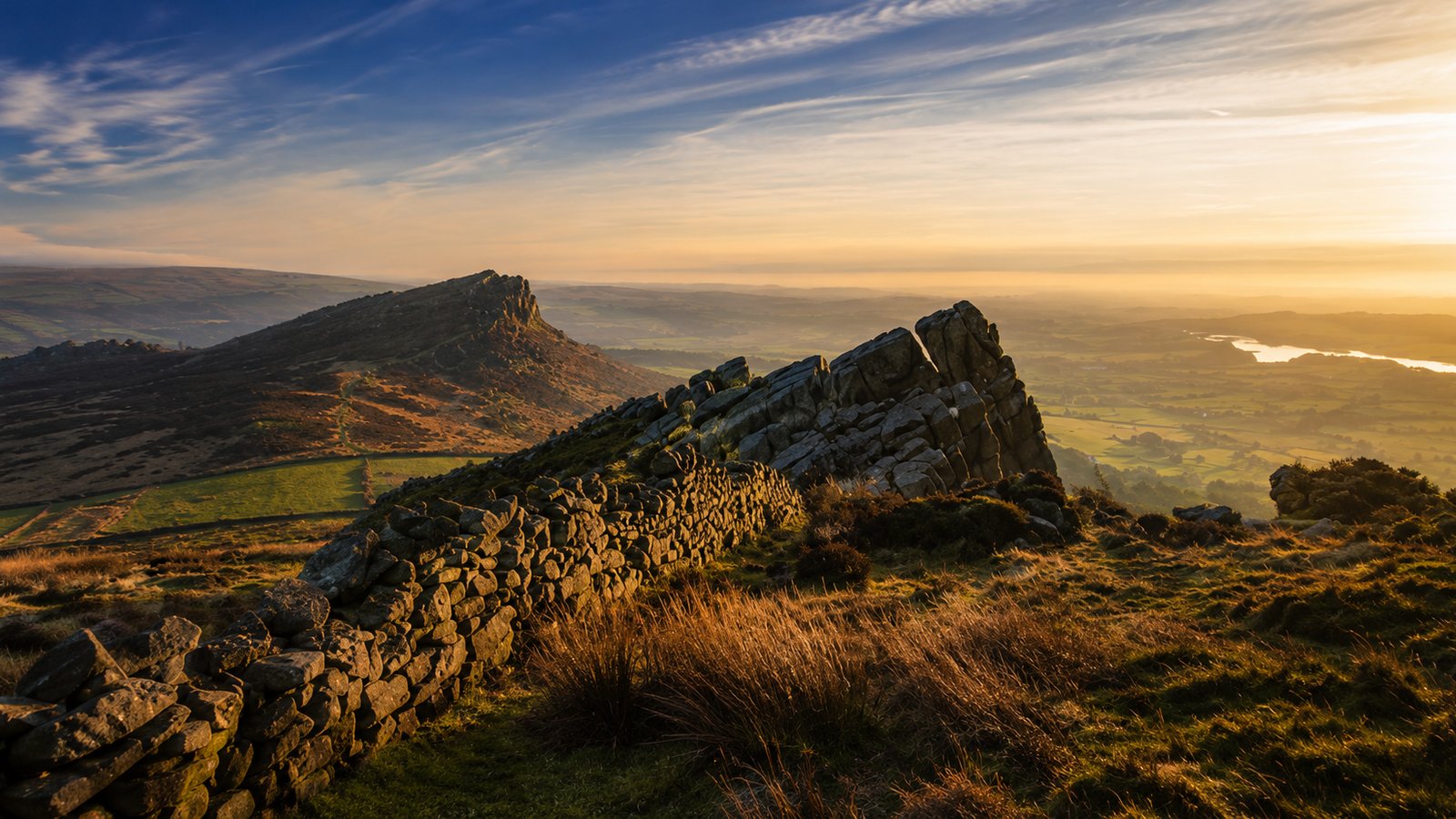
The Roaches gives a group elevation, views and awkward terrain for some approaches, but little of the habitat needed to stay. This open reserve is better understood as an observation or movement setting than a residential refuge for twenty people.
Overall
1.3 out of 10Defensibility
2 out of 10Isolation
1 out of 10Sustainability
1 out of 10Ranking context
How this base ranks
Global
#88 of 88 · Top 100%
Region · UK & Ireland
#11 of 11 · Top 100%
Base Type · Elevated Stronghold
#13 of 13 · Top 100%
Field assessment
At a glance
Bottom Line
Visibility may help a group decide where to move. It does not provide weatherproof accommodation, sanitation or safe water, so the ridge offers no evidenced basis for sustained occupation by twenty people.
Biggest Trade-off
Climbing onto exposed terrain can improve observation while moving the group away from verified shelter and utilities. The gain is information about approaches; the cost is having to meet basic living needs in the open.
Most Likely Failure
Weather exposure and unmet water or sanitation needs force departure before rugged terrain offers a decisive defensive benefit.
Score rationale
Why it scores this way
Defensibility · 2/10
Rock faces and steep paths hinder some movement, but the reserve has no continuous perimeter or secure fallback building. Terrain can favour an individual position without making the wider landscape containable.
Advantages
- Awkward gradients can narrow the practical choices on particular sections of the ridge.
Limitations
- Pedestrian gates and steps are access features; their presence does not establish a barrier against accumulating walkers.
Isolation · 1/10
A rugged skyline can feel remote while remaining connected to parking and public routes. Regular visitor use shows that reaching the reserve does not require exceptional transport or separation from nearby communities.
Advantages
- Uneven, steep paths can slow movement compared with level ground.
Limitations
- The reserve is open at all times, so no routine closure separates occupants from incoming walkers or people.
Sustainability · 1/10
The landscape has room for a group, but little evidenced shelter, sanitation or cooking support. Continued occupation adds daily needs that views and terrain cannot meet.
Advantages
- Passive ground remains available without keeping a plant, generator or distribution network running.
Limitations
- The absence of machinery also means there is no evidenced utility service to preserve or restore.
Survival horizons
How survival changes over time
Treat the ridge as a temporary position
First 7 Days
Check immediate exposure, access and a verified water plan before stopping. Do not let a useful lookout become an assumed residential camp merely because there is space to spread out.
Positive factors
- Sightlines can support an informed decision about onward movement.
Risks
- Without protected shelter, ordinary weather can consume attention and energy needed for watch duties.
Living deficits accumulate
First 100 Days
Repeated water collection, waste handling and nights outdoors become the central burden. Neither the reserve’s area nor persistent rock formations establish a workable routine for twenty residents.
Positive factors
- Terrain advantages do not depend on replacement fuel or electronic components.
Risks
- Little technical maintenance is required because little supporting infrastructure exists; that is no substitute for habitability.
No evidenced settlement pathway
Long Term
Endurance requires recurring safe water, food and weatherproof living conditions. None is established as a complete reserve-based system, and adding farms or a residential hut would change the boundary being assessed.
Positive factors
- The open landscape can retain a limited role in observation and movement even when serviced sites lose utilities.
Risks
- A long stay would depend on unproven resources or assets outside the canonical reserve rather than an evidenced renewal cycle.
Visual survey
Gallery
Location context
The Lay of the Land
Tactical assessment
Practical Reality
Best Use
A temporary observation point or stage along a movement route, conditional on the group already meeting its shelter and water needs.
Strengths
- Elevated ground offers sightlines that may help identify movement before a close encounter.
- Steep gritstone makes some direct approaches awkward without requiring a powered defence system.
- Loss of electricity does not remove the reserve’s limited passive terrain advantages.
Key Risk
Confusing physical space for twenty people with the ability to support them through repeated nights, drinking-water demand and waste disposal.
Weaknesses
- Several public paths and widely accessible approaches create a continuing watch burden.
- No canonical weatherproof residential facility supports the group through prolonged occupation.
- Protected drinking-water provision and durable food or energy supply are not established inside the reserve.
Reality Check & Constraints
The Base is the open reserve, not Rockhall Cottage or the Don Whillans Hut. Nearby farms are not controlled supplies, surface pools are not established drinking water, and future buildings or utilities are not credited.
Assumptions / constraints
- Twenty capable adults can organise watches and ordinary field tasks, but do not arrive with an invented camp, stocked shelter or functioning water-treatment system.
Decision context
Rivals / Alternatives
Similar rival
Great Mosque of Djenné
Mali · Landmark Structure
Great Mosque of Djenné keeps a close survival profile, with only 0.0 points between the overall scores and closely matched sustainability pressure.
Overall 1.3/10
Strongest alternative
Edinburgh Castle
United Kingdom · Elevated Stronghold
Edinburgh Castle scores 5.0 overall versus 1.3, adding a stronger defensibility profile while staying relevant as another elevated stronghold.
Overall 5/10
Wildcard rival
Amundsen-Scott South Pole Station
Antarctica · Institutional Compound
Amundsen-Scott South Pole Station changes the strategy: it is built around the institutional compound strategy with a isolation edge, while The Roaches has no headline-pillar edge in return.
Overall 7.7/10