Eastern Europe · Isolated Landmass
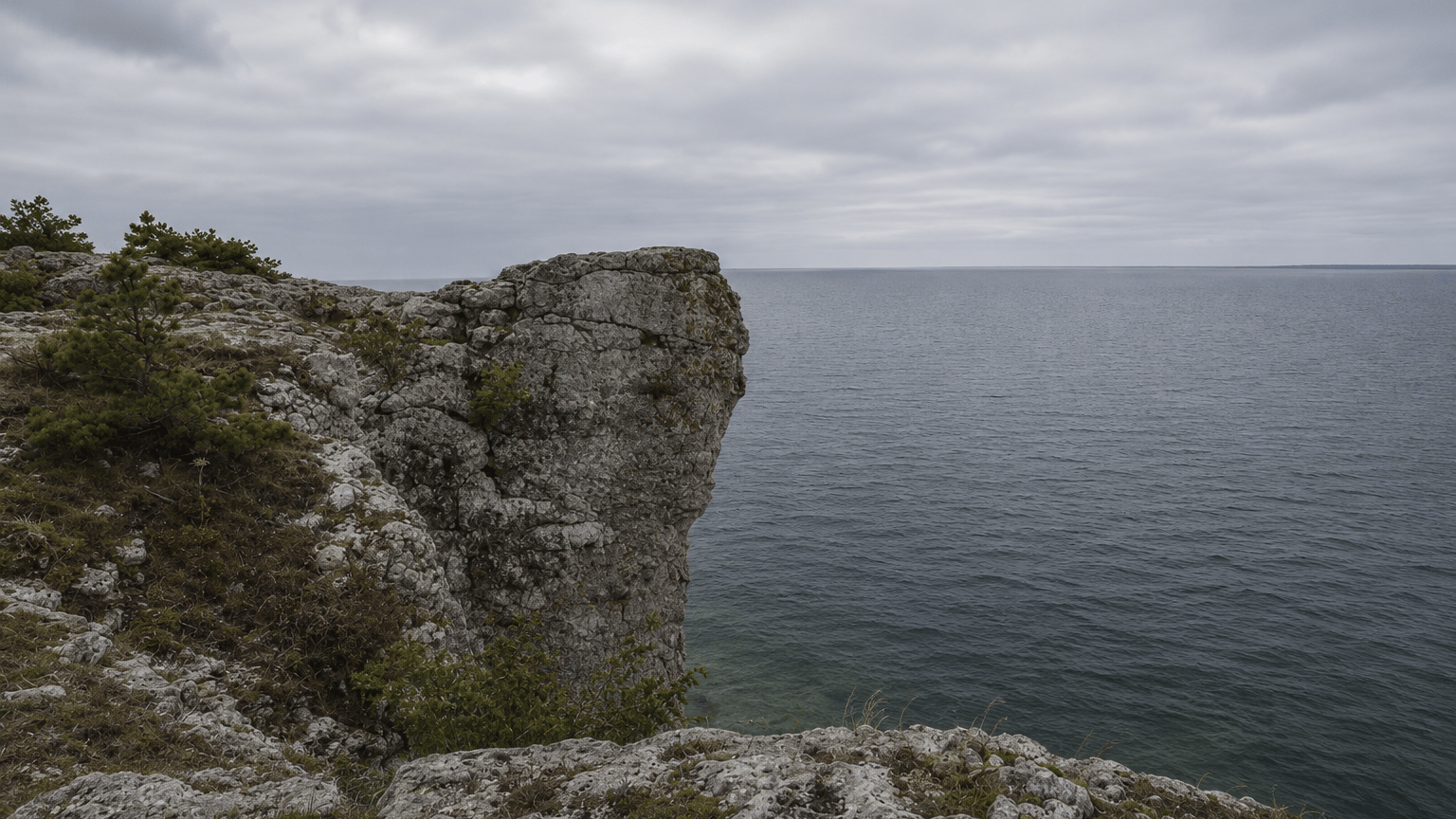
Gotland
Sweden
Gotland combines extensive farmland, established settlements and municipal services behind a Baltic sea crossing. A small community gains genuine living and food-producing capacity, but must manage water stress, mainland power dependence and threats already present on the island.
Overall
4.7 out of 10Defensibility
1 out of 10Isolation
4 out of 10Sustainability
9 out of 10Ranking context
How this base ranks
Global
#49 of 88 · Top 56%
Region · Eastern Europe
#7 of 10 · Top 70%
Base Type · Isolated Landmass
#8 of 19 · Top 42%
Field assessment
At a glance
Bottom Line
A resource-rich inhabited island with strong potential for continued habitation, provided the group can turn nearby land, water and buildings into a manageable daily system.
Biggest Trade-off
The island offers far more useful land and infrastructure than twenty people need, while its coastline, settlements and roads exceed anything they can defend or monitor as one position.
Most Likely Failure
Water restrictions or failing powered services interrupt daily provision while essential journeys and agricultural work compete with watches, repairs and rest.
Score rationale
Why it scores this way
Defensibility · 1/10
Gotland is a large inhabited island rather than a single enclosed position. Buildings can support a concentrated household, but twenty people cannot secure the coastline, settlements and transport routes as a continuous defensive system.
Advantages
- Existing housing and work buildings give the group options for a compact occupied area.
Limitations
- A guarded home leaves surrounding roads and other settlements outside the group’s continuous control.
Isolation · 4/10
The Baltic separates Gotland from mainland ground movement, but a substantial resident population remains on the island. Normal ferry and air links also show that maritime distance is a buffer rather than complete exclusion.
Advantages
- Incoming mainland pressure cannot simply follow a continuous road onto the island.
Limitations
- Local threats can move between inhabited places without making the sea crossing at all.
Sustainability · 9/10
Established homes, farms and public infrastructure provide unusually strong living potential. The challenge is assembling a reliable household from that capacity while checking water availability and reducing dependence on services a small group cannot maintain.
Advantages
- Domestic, agricultural and storage spaces already support the different tasks of an inhabited community.
Limitations
- Water shortages and externally supported electricity can constrain otherwise useful buildings and productive land.
Survival horizons
How survival changes over time
Choose a workable household
First 7 Days
Inspect shelter, water and routes together before spreading occupation. Inventory accessible provisions and assign watches around the living area, accounting for existing settlements rather than treating the sea crossing as proof of local safety.
Positive factors
- Existing residential space offers an immediate basis for sleeping, hygiene and organised storage.
Risks
- Choosing shelter far from usable water or provisions can create a daily travel burden from the start.
Match production to available labour
First 100 Days
Compare actual consumption with accessible food production, water margins and seasonal work. Prioritise ordinary upkeep and realistic tasks; the presence of commercial agriculture does not mean twenty people can operate its machinery or inherit its output.
Positive factors
- Farms and ordinary buildings retain useful functions without every island service running normally.
Risks
- Water collection, food work and repairs can leave too few people rested and available for watches.
Carry provision through lean periods
Long Term
Continued habitation needs food and safe water across seasonal gaps, with essential work remaining manageable as external services decline. Gotland’s productive base is a strong starting advantage, but continuity depends on verified local practice rather than island-wide totals.
Positive factors
- Land and established agricultural activity offer renewable resources beyond whatever food was initially stored.
Risks
- A poor water season and loss of powered services can undermine production and household supply together.
Visual survey
Gallery
Location context
The Lay of the Land
Tactical assessment
Practical Reality
Best Use
Concentrate occupation around accessible shelter, verified drinking water and workable food production. Keep essential routes short enough to sustain routine work and watches; choosing a household area does not redefine the whole-island Base.
Strengths
- Extensive agricultural land and established food businesses provide a real basis for renewed provision.
- Housing, storage and workspaces offer ample room to organise a twenty-person household.
- The Baltic crossing interrupts ordinary overland movement from mainland population centres.
Key Risk
Agricultural abundance can conceal the bottleneck in water and electricity. Productive land is useful only while the group can supply household needs and keep the necessary work within its skills and labour.
Weaknesses
- A long coastline and dispersed settlements prevent continuous island-wide defence.
- The island’s own population and road network keep local contact a substantial concern.
- Municipal water management and mainland electricity introduce dependencies beyond ordinary building upkeep.
Reality Check & Constraints
Gotland supports a substantial resident population, not an empty refuge awaiting occupation. Its farms and public services demonstrate real capacity, but not available stocks, reliable ferry access or utility operators joining the group.
Assumptions / constraints
- The main island remains the canonical Base; Visby, an individual farm or a military site is not substituted, and Fårö and mainland Sweden remain outside it.
- Twenty capable adults bring ordinary practical skills, without assumed agricultural crews, utility specialists, ferries or military support.
- Accessible stocks, safe water, seasonal production and equipment condition require local checks; planned power links add no present capability.
Decision context
Rivals / Alternatives
Similar rival
Faroe Islands
Faroe Islands · Isolated Landmass
Faroe Islands keeps the same isolated landmass strategy, with only 0.3 points between the overall scores and closely matched isolation pressure.
Overall 5/10
Strongest alternative
Heligoland
Germany · Isolated Landmass
Heligoland scores 6.3 overall versus 4.7, adding a stronger isolation profile while staying relevant as another isolated landmass.
Overall 6.3/10
Wildcard rival
Fort Jefferson
United States · Fortified Structure
Fort Jefferson changes the strategy: it is built around the fortified structure strategy with a defensibility edge, while Gotland holds more of the sustainability advantage.
Overall 6.7/10