Southeast Asia · Subterranean
Cu Chi Tunnels
Vietnam
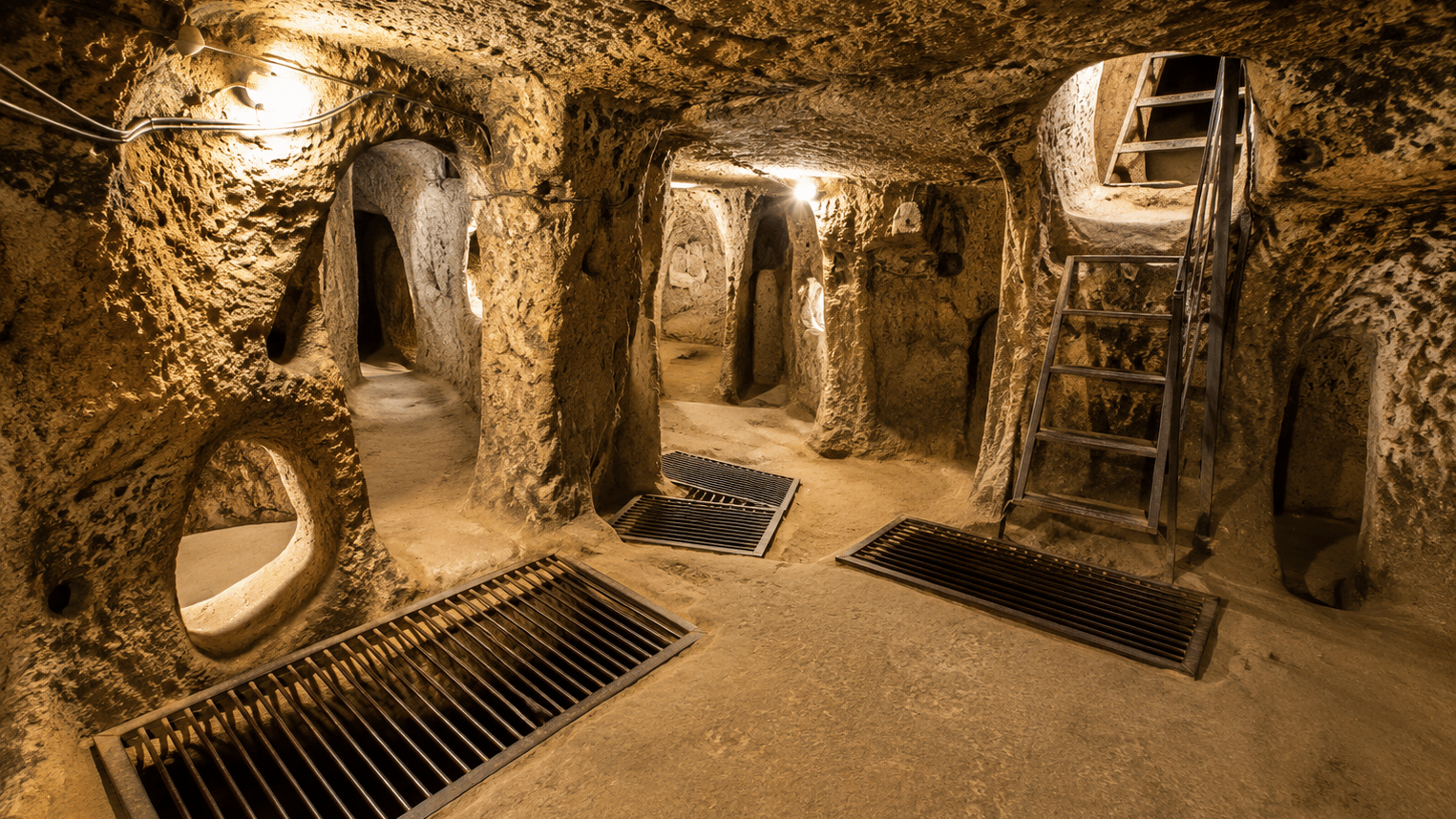
Cu Chi’s preserved tunnels offer concealed movement, narrow approaches and protected chambers near a major metropolitan region. Their defensive geometry is compelling; whether the usable network can provide safe water and sanitation for prolonged occupation remains unresolved.
Overall
4.7 out of 10Defensibility
7 out of 10Isolation
3 out of 10Sustainability
4 out of 10Ranking context
How this base ranks
Global
#47 of 88 · Top 53%
Region · Southeast Asia
#4 of 7 · Top 57%
Base Type · Subterranean
#7 of 10 · Top 70%
Field assessment
At a glance
Bottom Line
A credible concealed refuge, with a much weaker case for lasting habitation. Confirm usable chambers, safe water and waste arrangements before treating historic underground living spaces as an operating settlement.
Biggest Trade-off
Constricted passages help limit incoming pressure but also constrain movement, carrying and separation inside. The same geometry that protects a chamber can make an obstructed route difficult to recover from.
Most Likely Failure
The group cannot establish dependable drinking water and sanitation within the usable tunnels, forcing repeated surface trips despite retaining protected underground shelter.
Score rationale
Why it scores this way
Defensibility · 7/10
Narrow passages, concealed entrances and interconnected chambers provide passive protection and fallback potential. The present visitor-accessible network still needs a reliable entrance and route assessment before those advantages can be used coherently.
Advantages
- Constrained passages reduce the frontage through which nearby walkers can reach an occupied chamber.
Limitations
- An unchecked connection can bypass a watched entrance, and tight circulation complicates retreat or internal containment.
Isolation · 3/10
The tunnels lie beyond central Ho Chi Minh City but within its populated, road-connected northwestern fringe. Being difficult to see underground is a local exposure advantage, not separation from the surrounding population.
Advantages
- Distance from the central city provides some regional separation.
Limitations
- Road access and nearby settlement leave credible routes for pressure to reach the visitor sites.
Sustainability · 4/10
Sleeping, dining, storage, kitchen and well spaces give the preserved network a real habitation basis. Heat, humidity and cramped circulation remain burdens, with present drinking-water and sanitation performance unverified.
Advantages
- Distinct support chambers offer more functional space than an undifferentiated passage alone.
Limitations
- Visitor entry proves access to preserved portions, not continuous healthy occupation or enough working services for the group.
Survival horizons
How survival changes over time
Verify the occupied network
First 7 Days
Establish which passages, chambers and exits are usable, then check water and waste arrangements. Keep people within a comprehensible occupied section rather than dispersing through a presumed complete tunnel system.
Positive factors
- Existing concealed chambers allow shelter without first excavating a new refuge.
Risks
- Assuming every historic entrance is controllable could leave an unseen route into the occupied area.
Keep daily life workable
First 100 Days
Repeated carrying, cleaning and inspection now matter as much as initial concealment. Track actual supplies and water performance while checking ventilation, drainage and routes through the occupied section.
Positive factors
- Passive earth shelter does not require continuous complex machinery merely to provide cover.
Risks
- Moisture, poor waste arrangements or a blocked route can erode usable living space even without a successful external breach.
Prove a recurring supply path
Long Term
Lasting occupation requires repeatable safe water, food and waste management within realistic reach. Historic survival underground does not establish that today’s small group can reproduce the former support system.
Positive factors
- Protected storage and kitchen spaces remain useful if supplies and safe operation can be maintained.
Risks
- No dependable present food renewal or potable-water yield is established inside the approved boundary; external trips cannot be assumed safe or productive.
Visual survey
Gallery
Location context
The Lay of the Land
Tactical assessment
Practical Reality
Best Use
Use a checked, manageable part of the preserved network, with known entrances and usable fallback routes. Keep sleeping, supplies and internal separation organised without relying on the entire wartime system being open.
Strengths
- Concealed movement reduces the need to cross exposed surface ground between connected chambers.
- Multiple chambers provide options for separating activities and planning fallback within verified usable routes.
- The core tunnel shelter retains substantial passive function without relying on a powered building envelope.
Key Risk
Unmapped or unusable entrances and passages can defeat the group’s plan for control and escape. Concealment helps against outside discovery, but makes a complete understanding of the occupied network especially important.
Weaknesses
- The surrounding district remains connected to a large metropolitan population despite the hidden position.
- Well structures are evidenced, but current potability, yield and treatment are not established.
- Narrow, humid passages impose continuing circulation, ventilation and drainage burdens.
Reality Check & Constraints
Wartime kitchens, medical rooms and wells demonstrate past functions and surviving spaces. They do not establish stocked food, medical capability, potable well yield or working waste disposal today.
Assumptions / constraints
- The preserved visitor-accessible underground network remains the Base. The full historic tunnel mileage, surface restaurants and shops, and district utility systems are not added as usable resources.
- The twenty-person group has ordinary skills. No wartime support network, specialist tunnel crew, stocked medical rooms or functioning historic equipment is assumed.
- Safe routes, exits, water and waste arrangements require inspection. The horizons describe changing demands, not guaranteed occupancy periods or a claim that existing wells are dry.
Decision context
Rivals / Alternatives
Similar rival
Derinkuyu Underground City
Turkey · Subterranean
Derinkuyu Underground City keeps the same subterranean strategy, with only 0.3 points between the overall scores and closely matched defensibility pressure.
Overall 4.3/10
Strongest alternative
Olavsvern Naval Base
Norway · Subterranean
Olavsvern Naval Base scores 6.3 overall versus 4.7, adding a stronger sustainability profile while staying relevant as another subterranean.
Overall 6.3/10
Wildcard rival
Amundsen-Scott South Pole Station
Antarctica · Institutional Compound
Amundsen-Scott South Pole Station changes the strategy: it is built around the institutional compound strategy with a isolation edge, while Cu Chi Tunnels holds more of the defensibility advantage.
Overall 7.7/10