South America · Elevated Stronghold
Machu Picchu
Peru
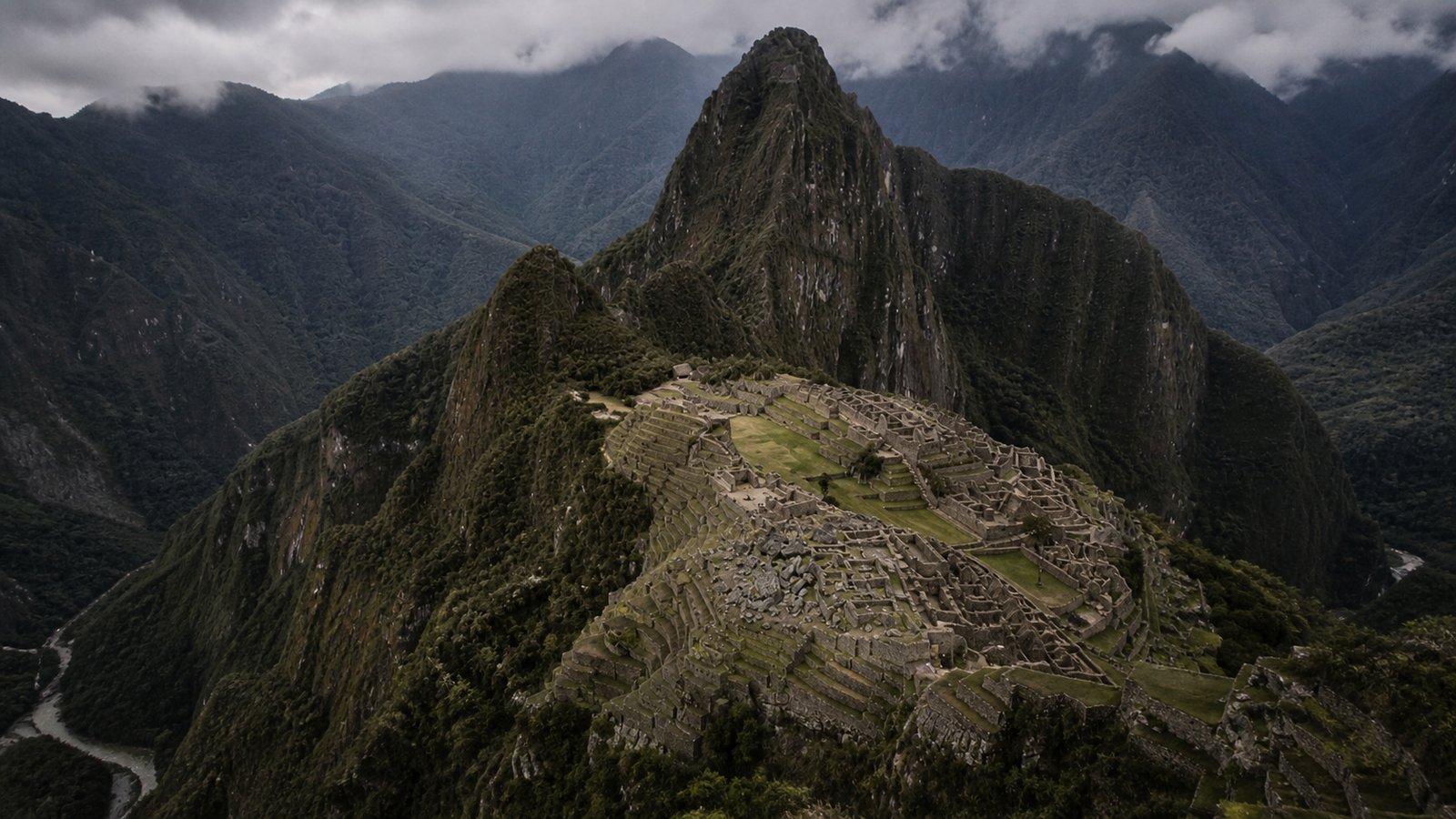
Machu Picchu offers steep approaches, stone terraces and distance from urban pressure. Its ridge is easier to monitor than to inhabit: much of the settlement lacks weatherproof shelter, and entrance utilities do not establish an independent supply system.
Overall
5 out of 10Defensibility
4 out of 10Isolation
7 out of 10Sustainability
4 out of 10Ranking context
How this base ranks
Global
#38 of 88 · Top 43%
Region · South America
#3 of 7 · Top 43%
Base Type · Elevated Stronghold
#4 of 13 · Top 31%
Field assessment
At a glance
Bottom Line
A useful position for seeing and limiting incoming movement, provided the group can establish dry sleeping space and safe daily water. The archaeological settlement is a demanding home rather than a ready mountain fortress.
Biggest Trade-off
The steep terrain that slows an approach also makes carrying supplies and maintaining damaged access routes harder. Protection and daily provision compete for the same limited labour.
Most Likely Failure
Loss of dependable water or repeated wet exposure makes continued residence untenable, forcing supply journeys or withdrawal along the same difficult approaches that limit incoming threats.
Score rationale
Why it scores this way
Defensibility · 4/10
Stone walls and narrow paths offer positions that can resist local contact. They do not form an evidenced continuous enclosure, so holding one sector leaves movement between sectors and breach containment unresolved.
Advantages
- Steep ground limits easy lateral movement around an occupied position.
Limitations
- Archaeological walls cannot be treated as intact gates and a sealed defensive circuit.
Isolation · 7/10
The mountain landscape separates the sanctuary from dense urban pressure. Established visitor routes still connect it to nearby settlement and transport, so difficult final access is not complete regional isolation.
Advantages
- Incoming ground pressure must cross rugged terrain before reaching the ridge.
Limitations
- Tourism connections provide known ways in as well as potential ways out.
Sustainability · 4/10
Water and electricity at the entrance and managed hygienic services help daily life. Extensive stone fabric offers space, but weatherproof sleeping, cooking and residential hygiene need verification before that space becomes a workable home.
Advantages
- Existing paths and terraces support organised circulation without new construction.
Limitations
- Thousands of daily admissions measure visitor throughput, not overnight residential support.
Survival horizons
How survival changes over time
Find a habitable foothold
First 7 Days
Inspect dry sleeping options, service access and the paths linking them. Establish drinking-water and waste routines before expanding watches across the wider archaeological settlement.
Positive factors
- Defined paths provide a starting network for movement and observation.
Risks
- Choosing a scenic high position far from usable services increases every daily carrying task.
Keep access and services usable
First 100 Days
Track food consumption and actual water availability while inspecting paths, drainage and occupied rooms after rain. A route failure can turn an ordinary supply task into a sustained labour burden.
Positive factors
- Much of the stone fabric retains passive value without powered systems.
Risks
- Continued residence can fail through exposure or hygiene even while approaches remain observable.
Terraces must become provision
Long Term
Long residence needs repeatable food and safe water, alongside shelter that withstands recurring weather. Historic cultivation and channels identify useful fabric; they do not establish current yields or independent service continuity.
Positive factors
- The rugged setting continues to reduce easy incoming access.
Risks
- Keeping an archaeological landscape habitable may demand skills and materials beyond ordinary household maintenance.
Visual survey
Gallery
Location context
The Lay of the Land
Tactical assessment
Practical Reality
Best Use
Keep occupation near inspected shelter and verified services, with watches on the routes actually used. Use the terraces and sectors to organise activity without assuming every ruin is a defensible room.
Strengths
- Ridge sectors and terraces give activities room to be separated.
- Steep approaches make arriving movement less direct than at a lowland settlement.
- Documented entrance water, electricity and managed hygiene provide services to inspect on arrival.
Key Risk
Water and sanitation provision must remain usable at the occupied ridge; the presence of entrance services does not prove independent supply, treatment or reserves.
Weaknesses
- Many surviving structures lack modern protection from prolonged rain and cold exposure.
- Heavy rain can damage routes and demand rehabilitation beyond routine path clearance.
- Historic terraces are not evidence of a current harvest or stored food.
Reality Check & Constraints
Visitor circulation and managed hygiene are real capabilities. They do not establish residential sleeping, cooking or food production, and the town below is outside the Base.
Assumptions / constraints
- The ridge settlement and integrated entrance services are included; Aguas Calientes, hotels and wider farmland are excluded.
- Actual service condition and potable-water reserves must be checked; no uninterrupted utilities are assumed.
- A small community can organise watches and ordinary upkeep; it does not inherit the sanctuary workforce.
Decision context
Rivals / Alternatives
Similar rival
Tiger’s Nest Monastery
Bhutan · Elevated Stronghold
Tiger’s Nest Monastery keeps the same elevated stronghold strategy, with only 0.3 points between the overall scores and closely matched defensibility pressure.
Overall 4.7/10
Strongest alternative
Amundsen-Scott South Pole Station
Antarctica · Institutional Compound
Amundsen-Scott South Pole Station scores 7.7 overall versus 5.0, adding a stronger sustainability profile while staying relevant as a comparable survival plan.
Overall 7.7/10
Wildcard rival
Okinawa
Japan · Isolated Landmass
Okinawa changes the strategy: it is built around the isolated landmass strategy with a sustainability edge, while Machu Picchu holds more of the isolation advantage.
Overall 3.7/10